
Birds at Railroad Park
More than 125 Species of Birds Have Been Spotted at Railroad Park
Railroad Park is an oasis in the heart of Birmingham, particularly for numerous bird species. In fact, more than 120 bird species have been recorded at Railroad Park. Some live here year-round, while others visit during spring or fall migration. Visit E-Bird for a full list of bird species. And enjoy a glimpse of just a few of the birds you may see on your next visit!
Special thanks to Alabama Audubon for your support of Railroad Park!
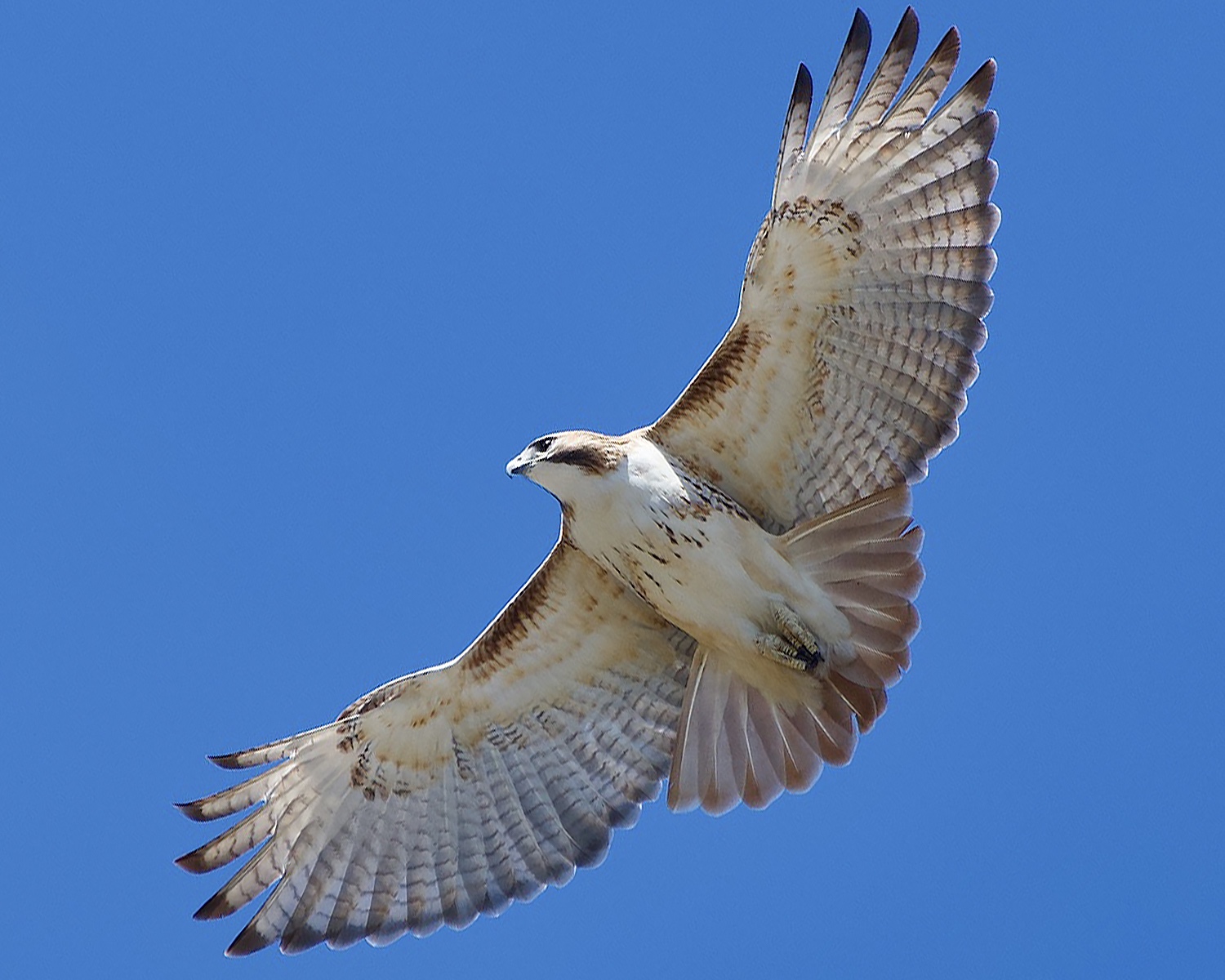
Red-tailed Hawk (Length 20 inches) Red-tails are year-round residents and often seen soaring above the Park as they scan the landscape for prey, which consists primarily of small mammals. The adults have a brownish back and wings and are pale underneath with streaking across the belly. The upper surface of the adult’s tail is a brick-red color, while young birds are heavily streaked below and have a banded tail.
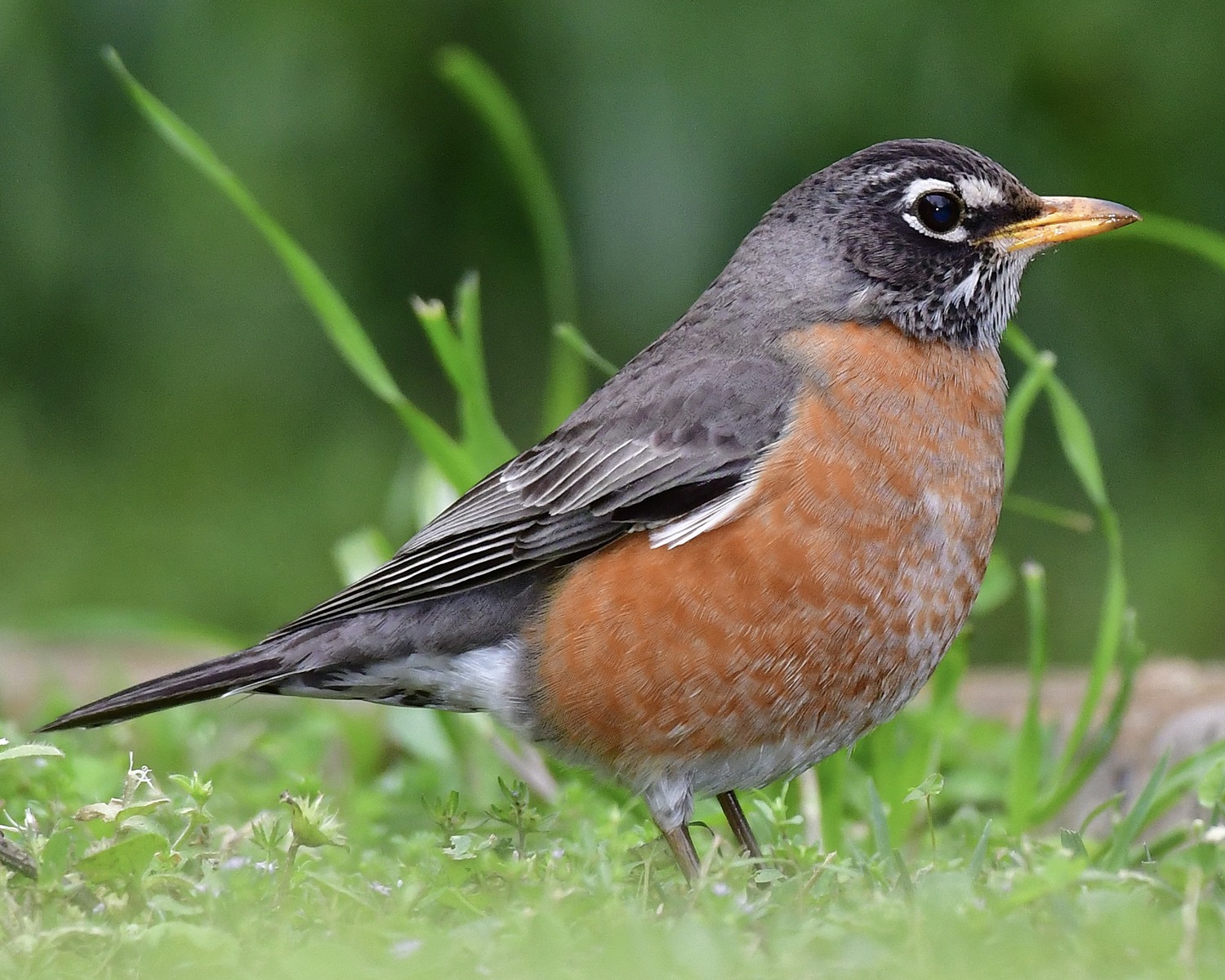
American Robin (Length 9.9 inches) While robins are often considered the “first sign of spring,” these plump thrushes are year-round, nesting residents in the Park. Adults have a dark head and back and a brick-red belly, whereas young birds are spotted below. Look for them throughout the Park, hopping on the lawns in search of earthworms and insects in summer, and berries in trees in winter.
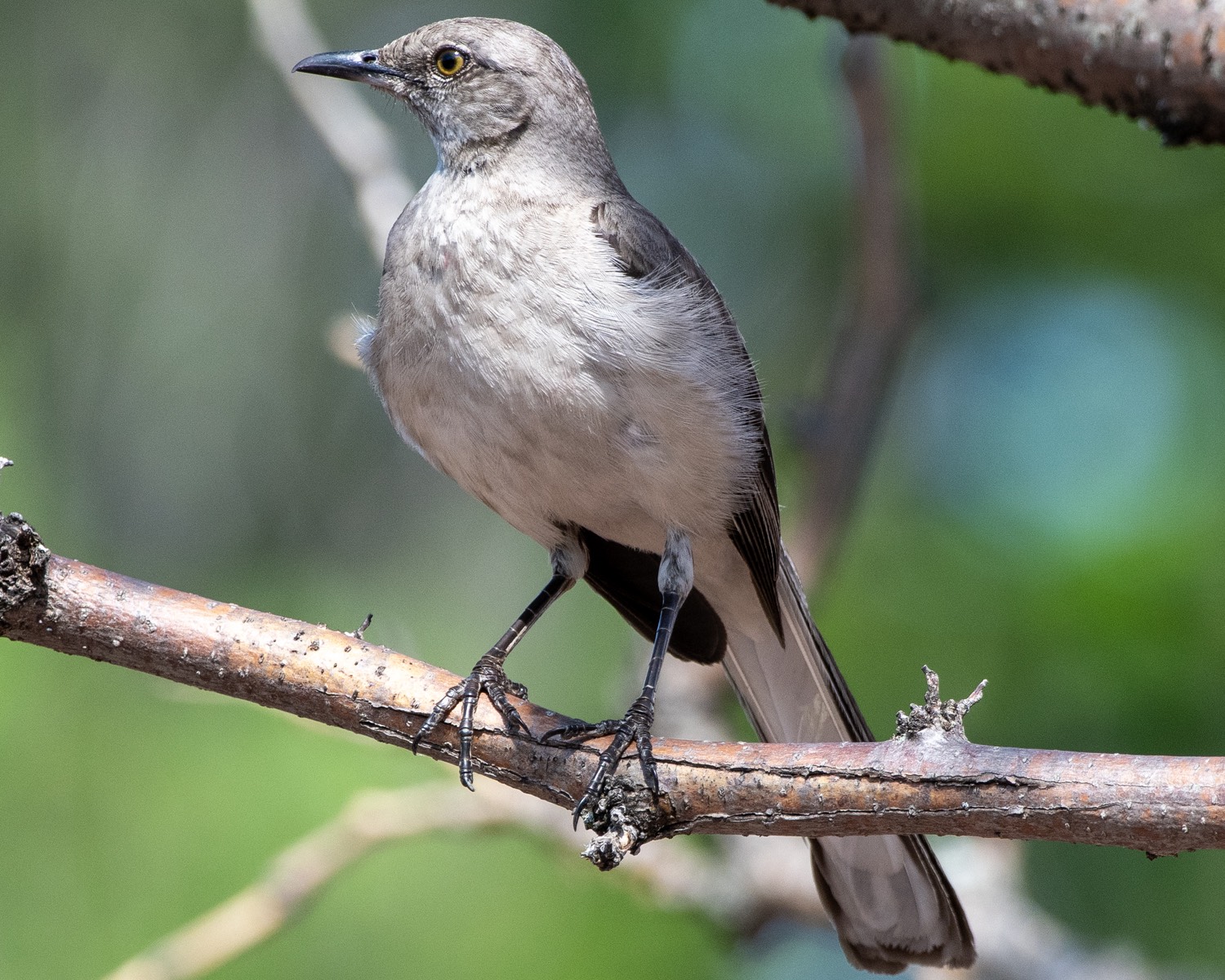
Northern Mockingbird (Length 9.8 inches) Mockingbirds are year-round residents and nest in the Park. They are named for their ability to imitate the songs and calls of other birds. Listen carefully and you may even hear one mimicking a car alarm! Their white wing patches contrast with an overall gray back and wings. They are found throughout the Park but favor areas where fruit-bearing plants provide a food source.
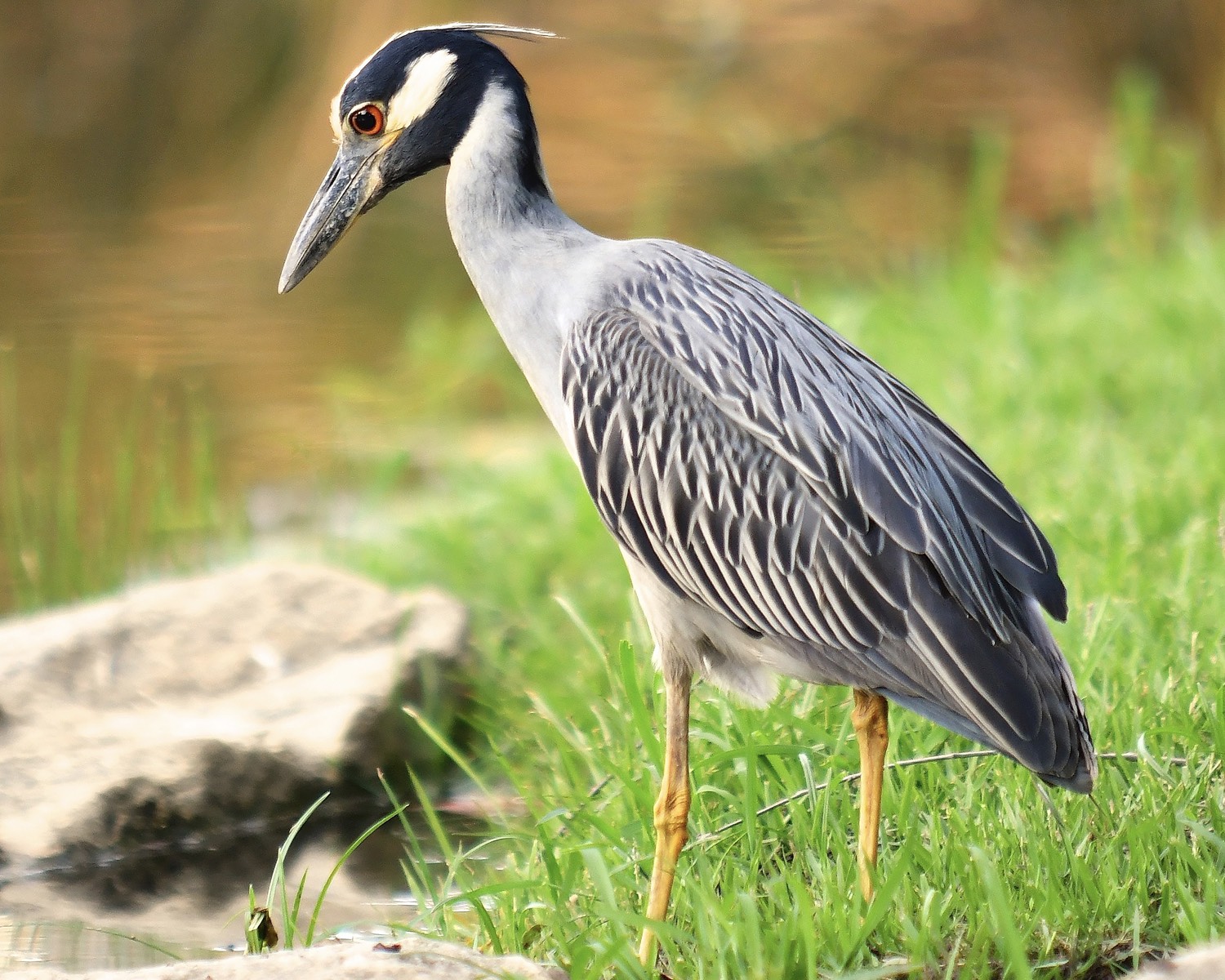
Yellow-crowned Night Heron (Length 24 inches) Although they do not breed in the park, this medium-sized wader is frequently seen from early April through September. Adults are purplish-gray with a dark head, white cheek patch, and yellow plumes on the crown. Juveniles are brown with white spots. They are frequently seen in the wetlands, pond edges, and stream sides where they hunt crayfish.
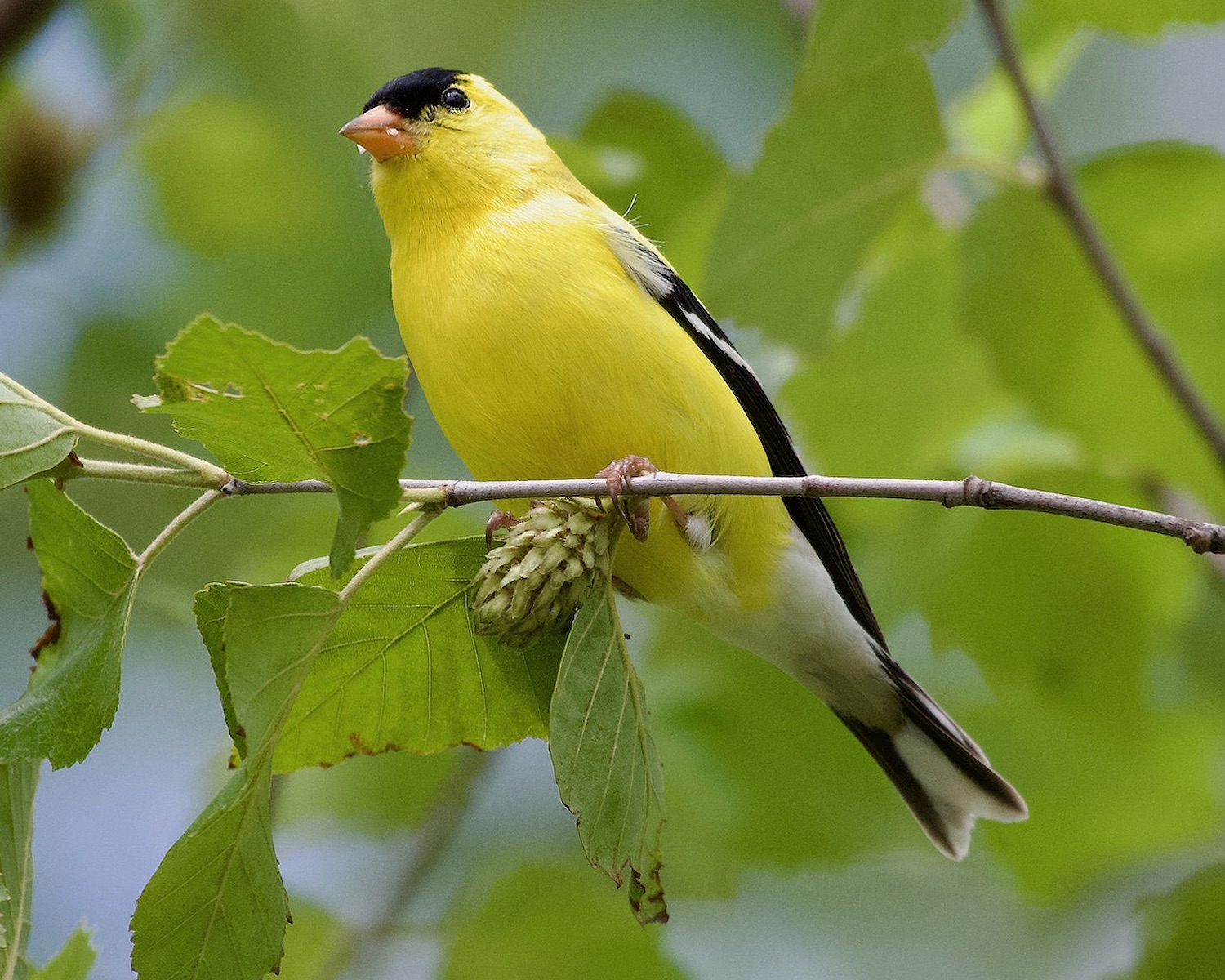
American Goldfinch (Length 4.8 inches) The bright yellow body, and black cap and wings of adult male goldfinches are unmistakable, whereas females have duller colors. Although goldfinches occur year-round in the Park, they are most often seen in spring feeding on the seeds of river birch trees, or on the seeds of giant coneflowers in mid-late summer. Listen for their lively, cheery song and “potato chip” call notes given while in flight.
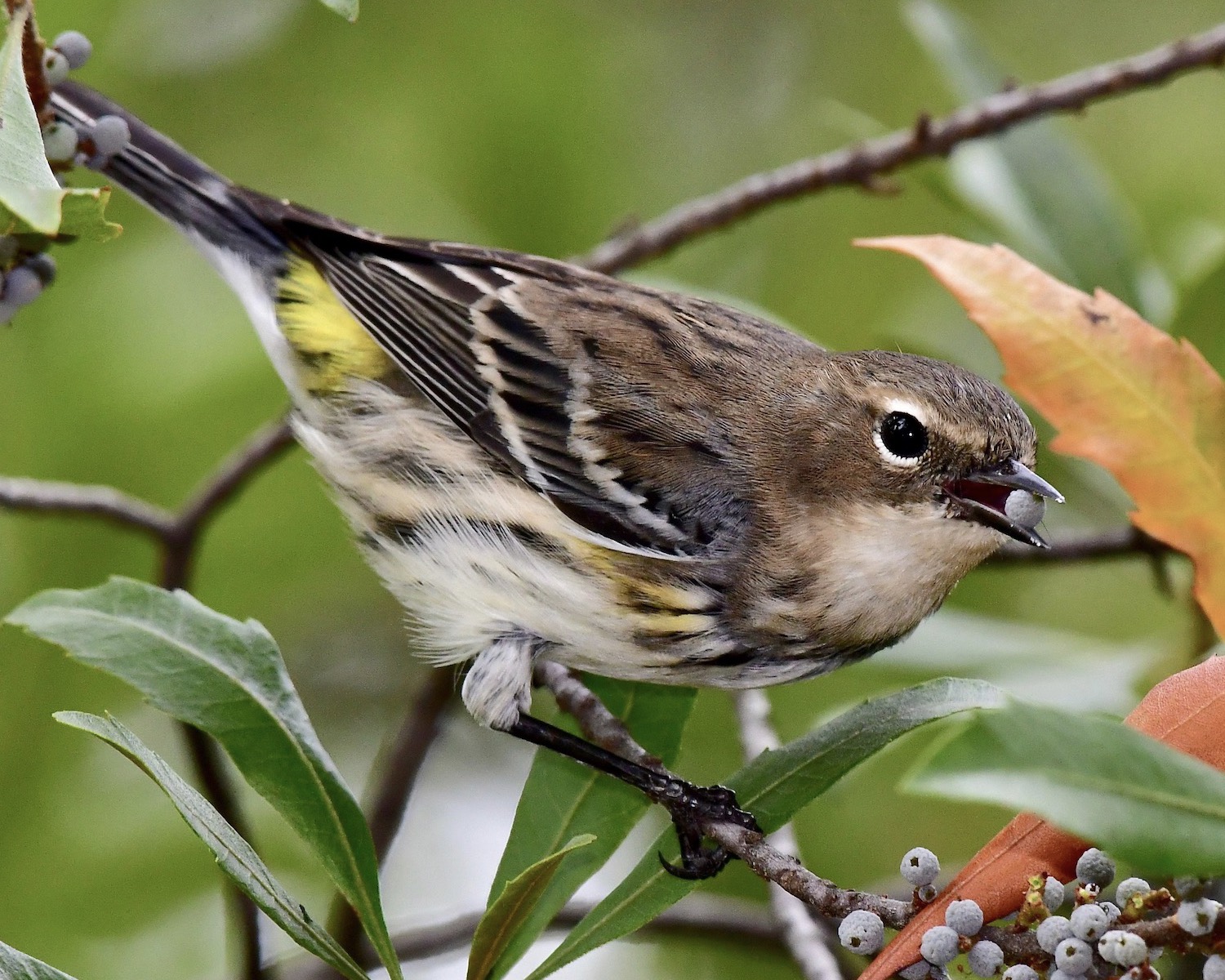
Yellow-rumped Warbler (Length 5.5 inches) Formerly called Myrtle Warblers, the appropriately named yellow-rumps are the only warbler capable of digesting the waxes found in bayberries and wax myrtles planted in the Park. They arrive in mid-October and generally stay through the winter as long as food is present. Look for them darting among the branches of the wax myrtle trees in the Park.
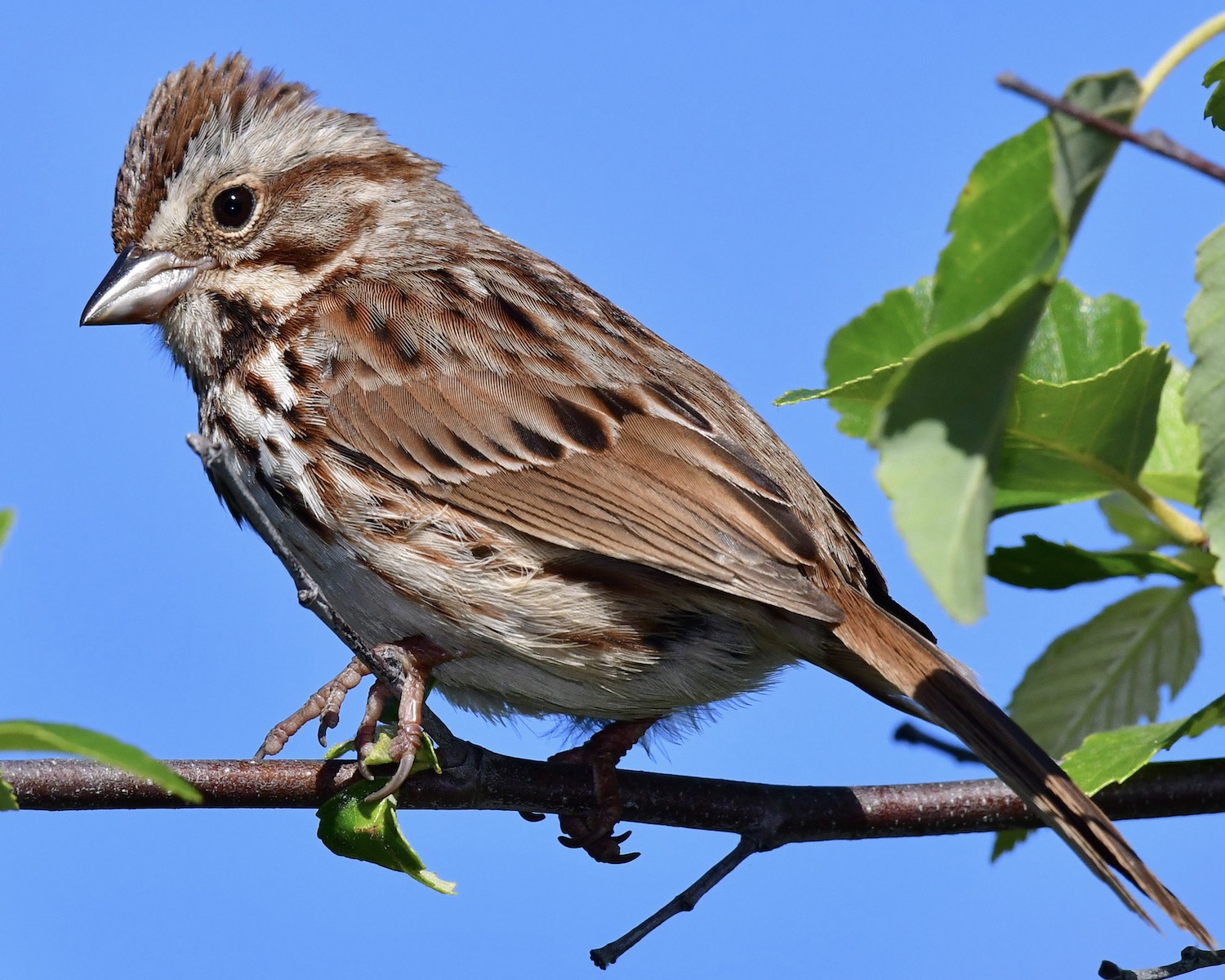
Song Sparrow (Length 6 inches) This rusty-brown sparrow with bold, brown streaks on its white chest is a year-round resident, nesting bird in the Park. In spring and summer, look and listen for the males to sing from exposed perches. They are usually seen scurrying on the ground in low vegetation or along the stream sides in the western half of the park.
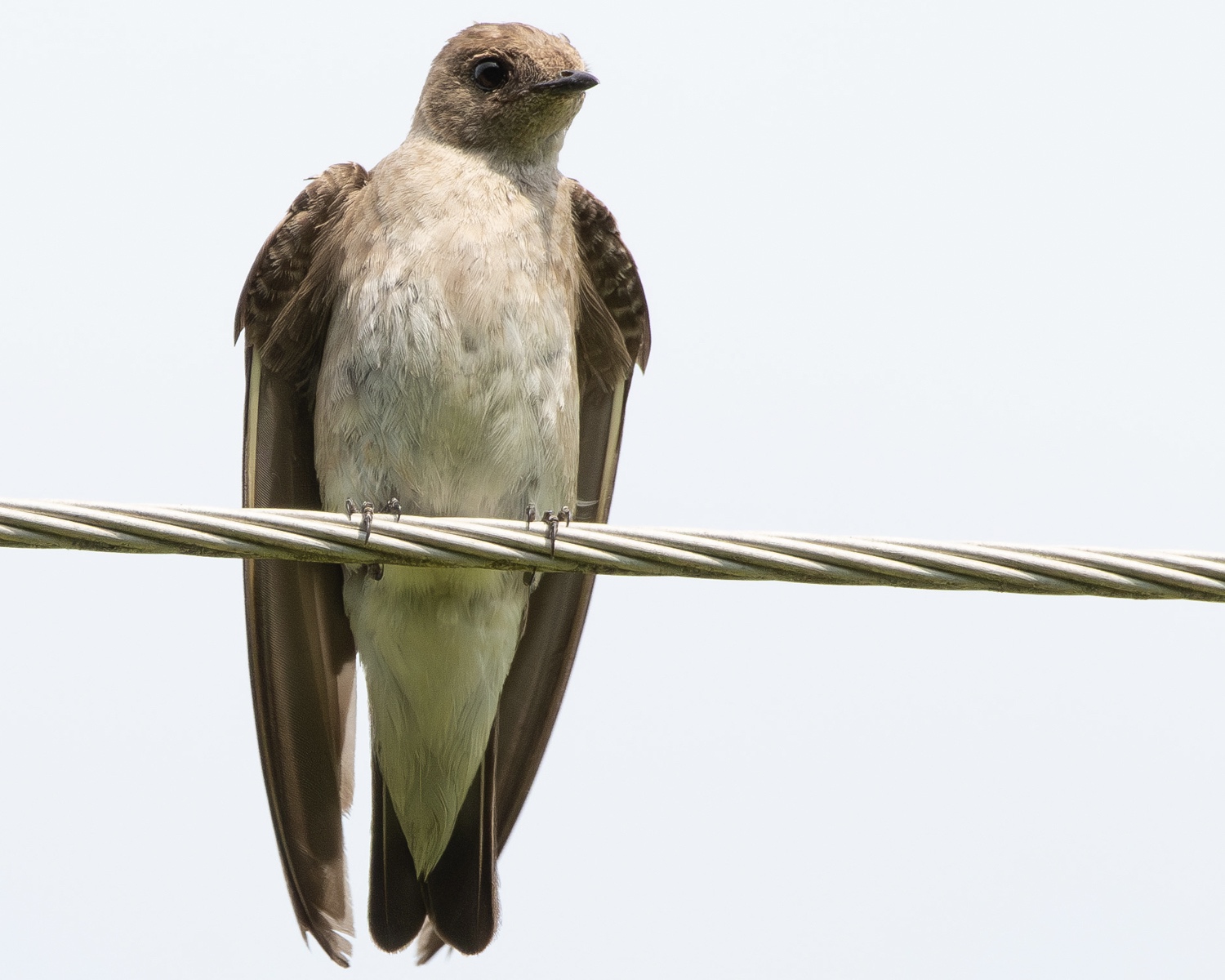
Northern Rough-winged Swallow (Length 5.3 inches) These small, agile fliers are often seen zooming above the Pavilion Pool or low over the lawns catching flying insects. Their head, back and wings are a plain brown color, but their throat and belly are a dingy white. They occur in the Park from early March through mid-July and can sometimes be seen dipping into the water for a drink or a splash bath.